
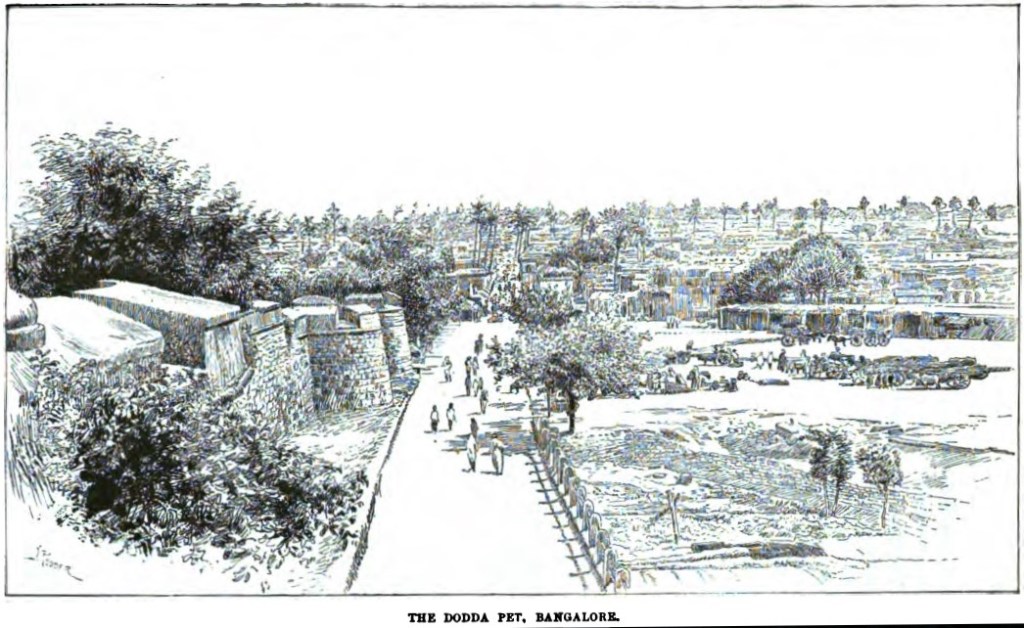
Bangalore (or Bengaluru), is often thought of as a modern IT hub. But, it also boasts a rich history reflected in several fascinating historical sites. From medieval forts to churches and palaces from the British Raj, here are some notable ones:
Bangalore Fort


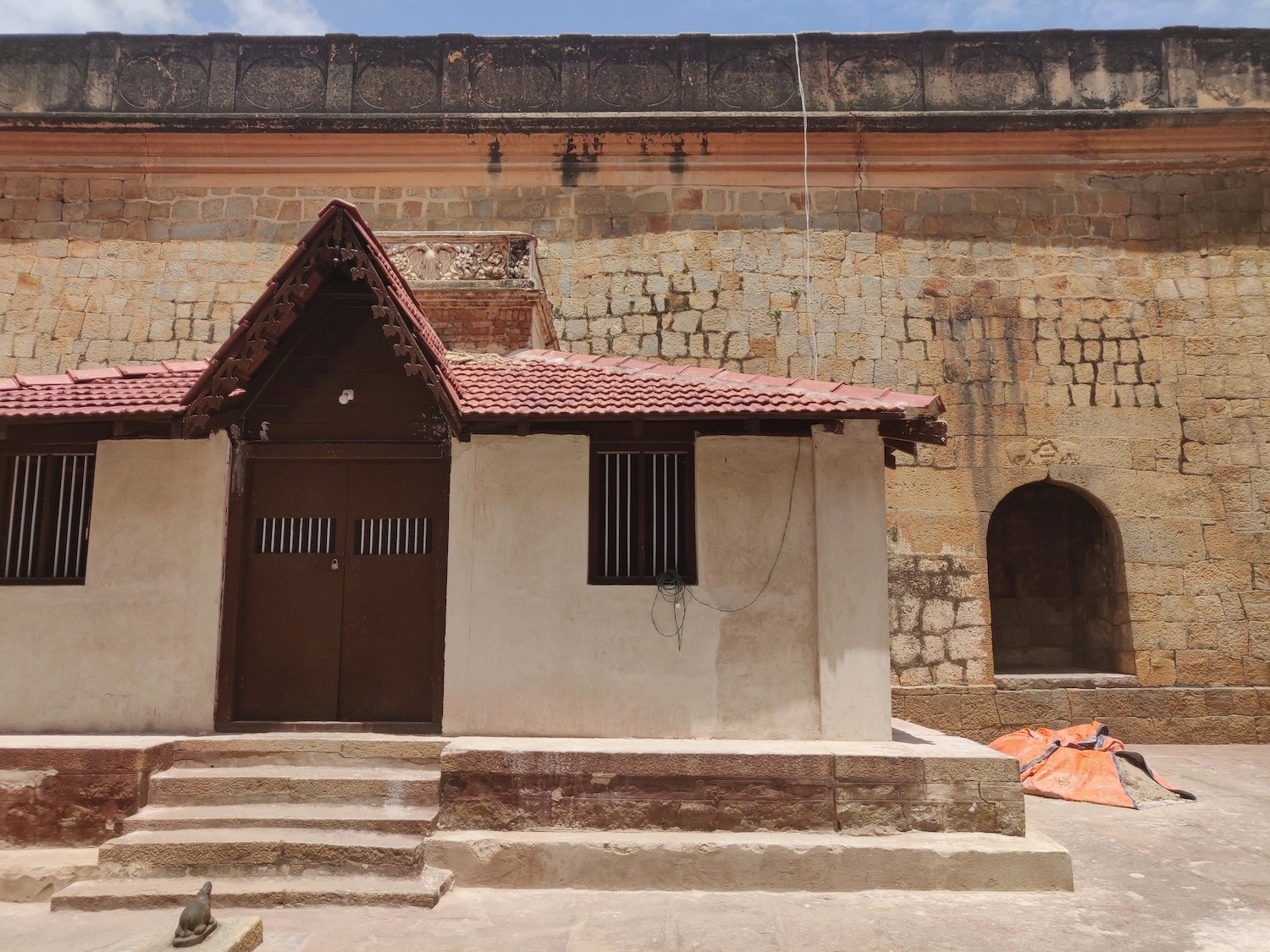

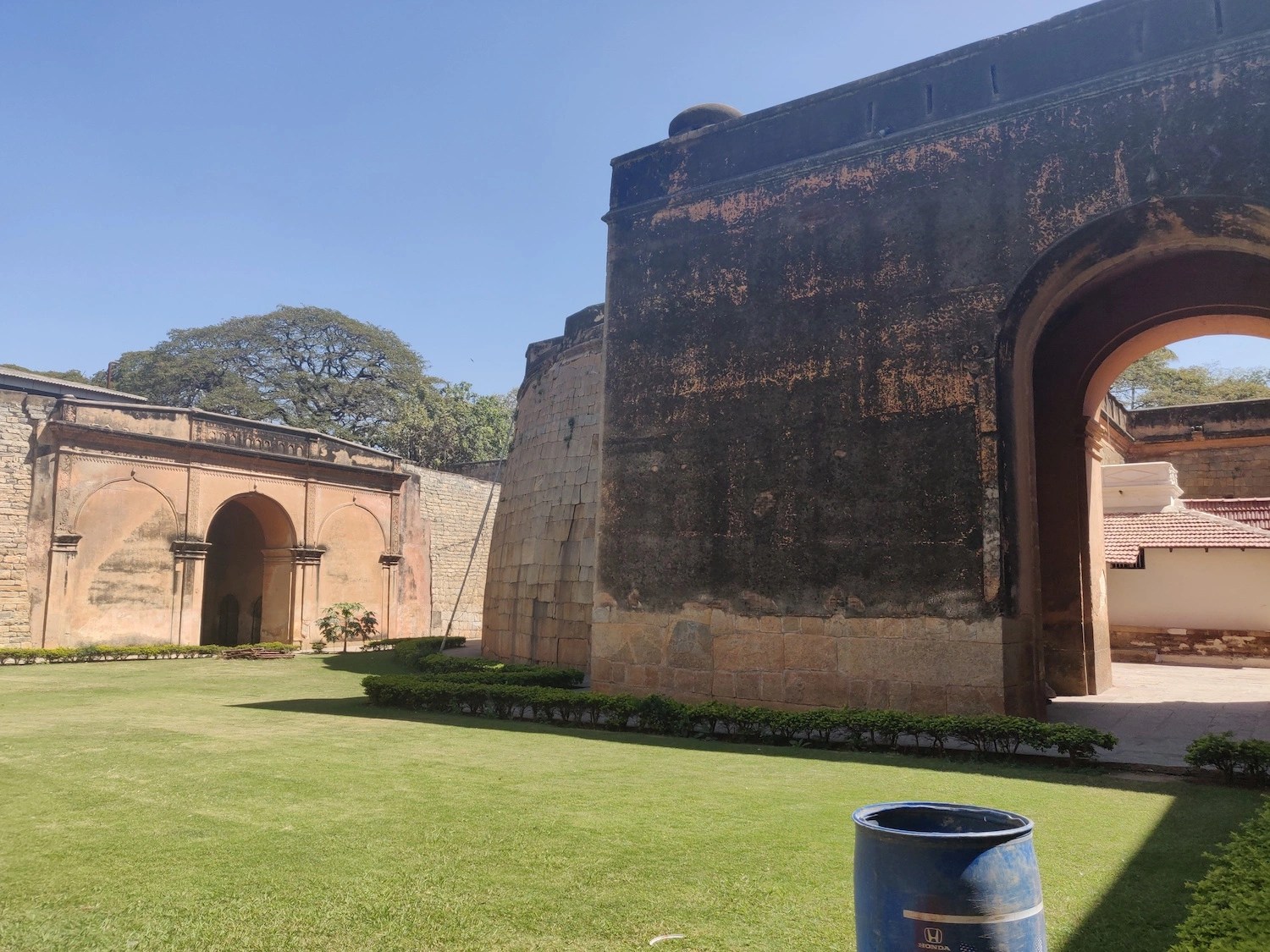
Also called the Kempegowda Fort, this imposing fort was initially built in 1537 by Kempegowda, the founder of Bangalore. It was expanded upon in the 1790s by Haider Ali. However, only about 5 per cent of the fort remains standing today, as the British dismantled much of it to make way for roads and buildings.
But, it still stands as a historical landmark in the heart of Bangalore. The remnants include four impressive watchtowers and the remains of the fort wall.
Tipu Sultan’s Summer Palace
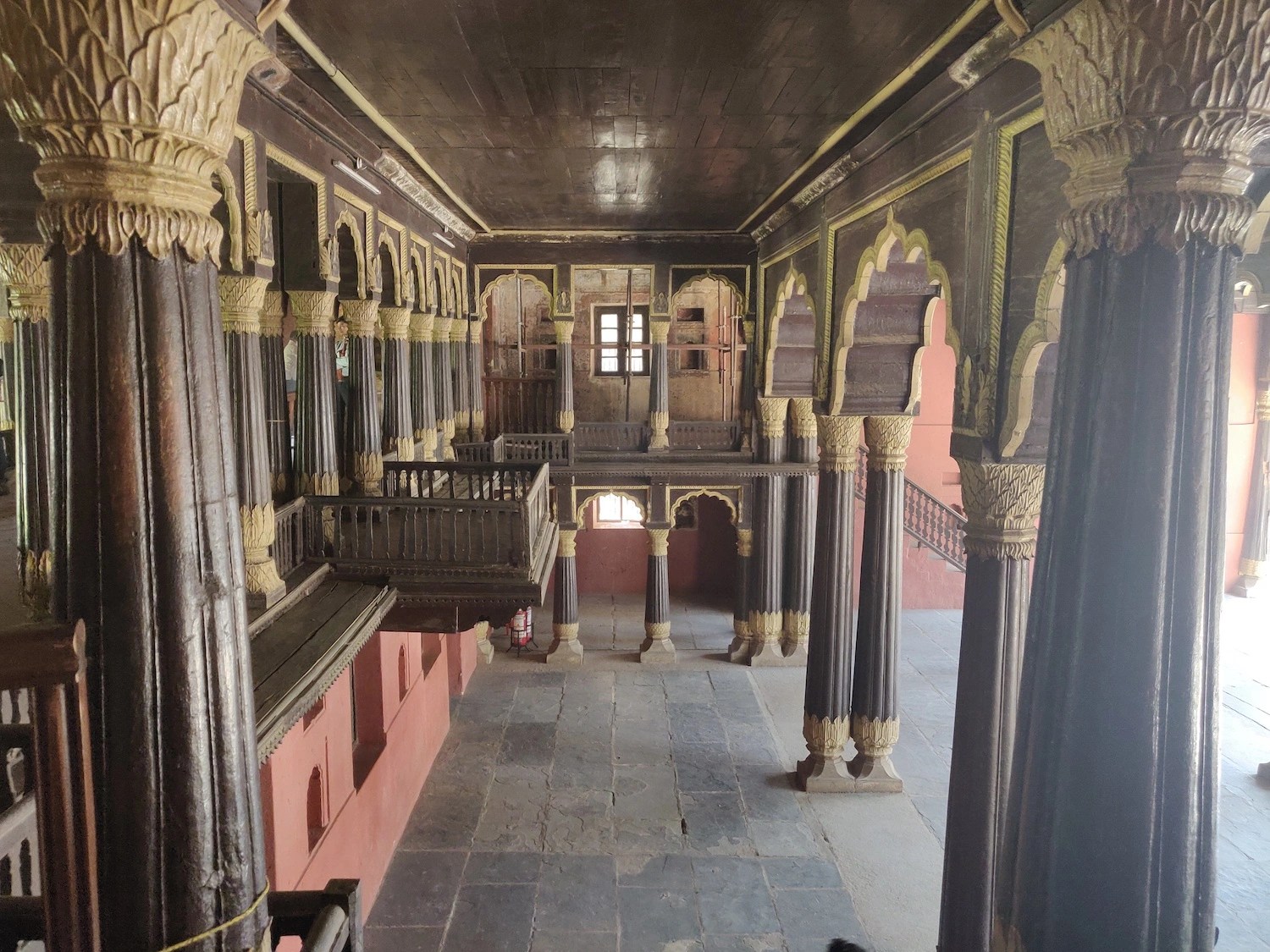
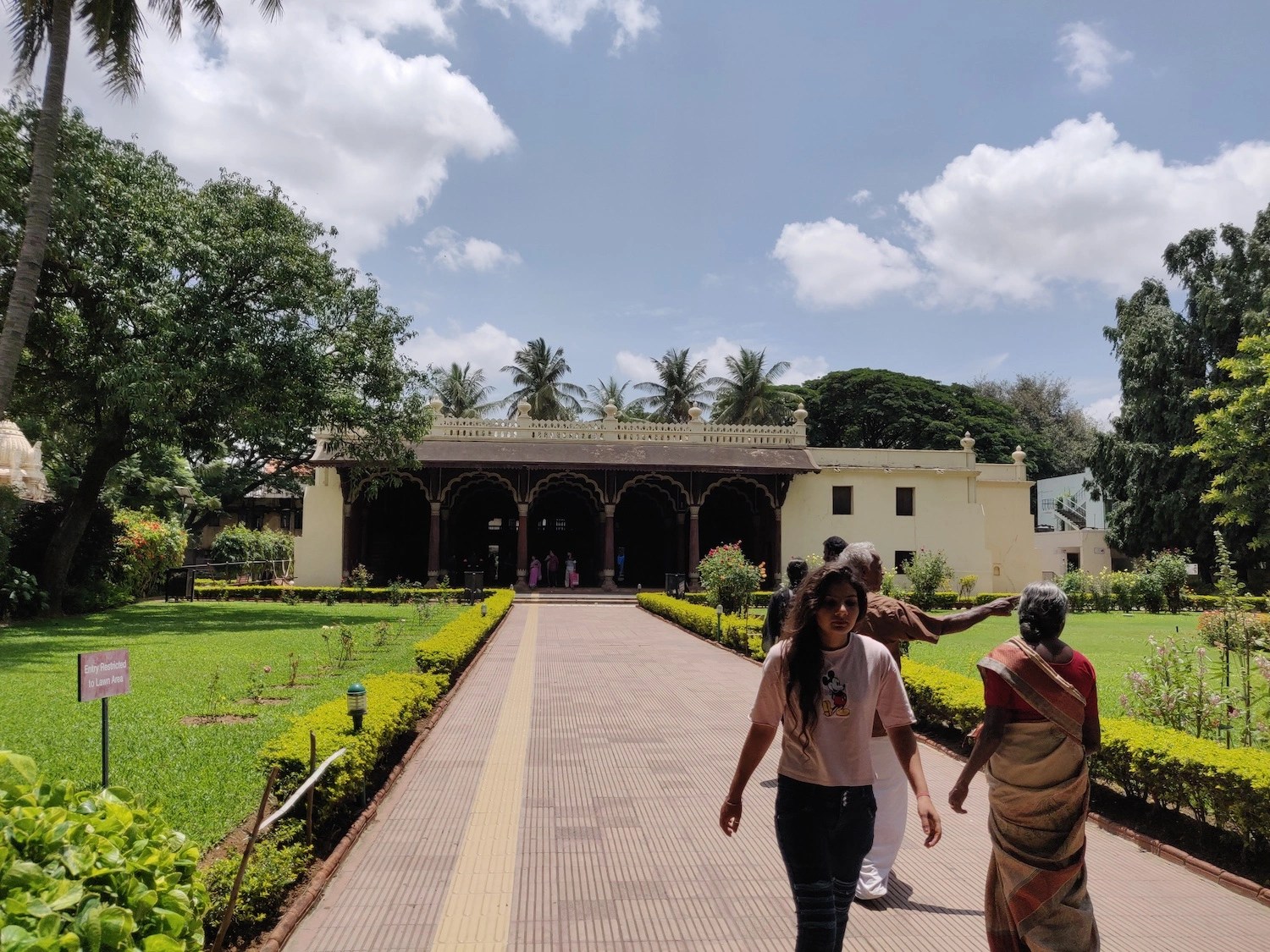

Hidden in the busy KR Market, this elegant palace was built by Mysorean ruler Tipu Sultan in 1791. It was once a part of the larger Bangalore Fort and used as a summer retreat.
The palace is known for its intricately carved teak pillars with elegant arches, balconies, and frescoes. Inside, you’ll find a museum exhibiting artefacts related to Tipu Sultan, including his clothes, weapons, and personal belongings.
Entrance Fee: ₹20 (Indian) and ₹250 (foreigners)
Kote Venkataramana Temple

Dedicated to Venkateshwara, this temple was built in 1689 in the Vijayanagara Style by Chikka Devaraja Wodeyar of the Wodeyar dynasty and is one of the oldest temples in Bangalore.
It is located next to the old fort that was once the residence of the Wodeyar royal family and is full of beautiful ornate pillars and halls. The temple has modest decorative work and follows the general plan used in the temples within the palace complex in Mysore.
Gavi Gangadhareshwara Temple

This temple in old south Bangalore is an architectural marvel. Built in the 1500s by Kempegowda, it is carved out of a monolithic rock, and is dedicated to Lord Shiva. The highlight of this temple is its unique architecture that allows the sun to illuminate the Shiva lingam in a specific way during the festival of Makar Sankranti in mid-January.
Bull Temple (Dodda Basavana Gudi)
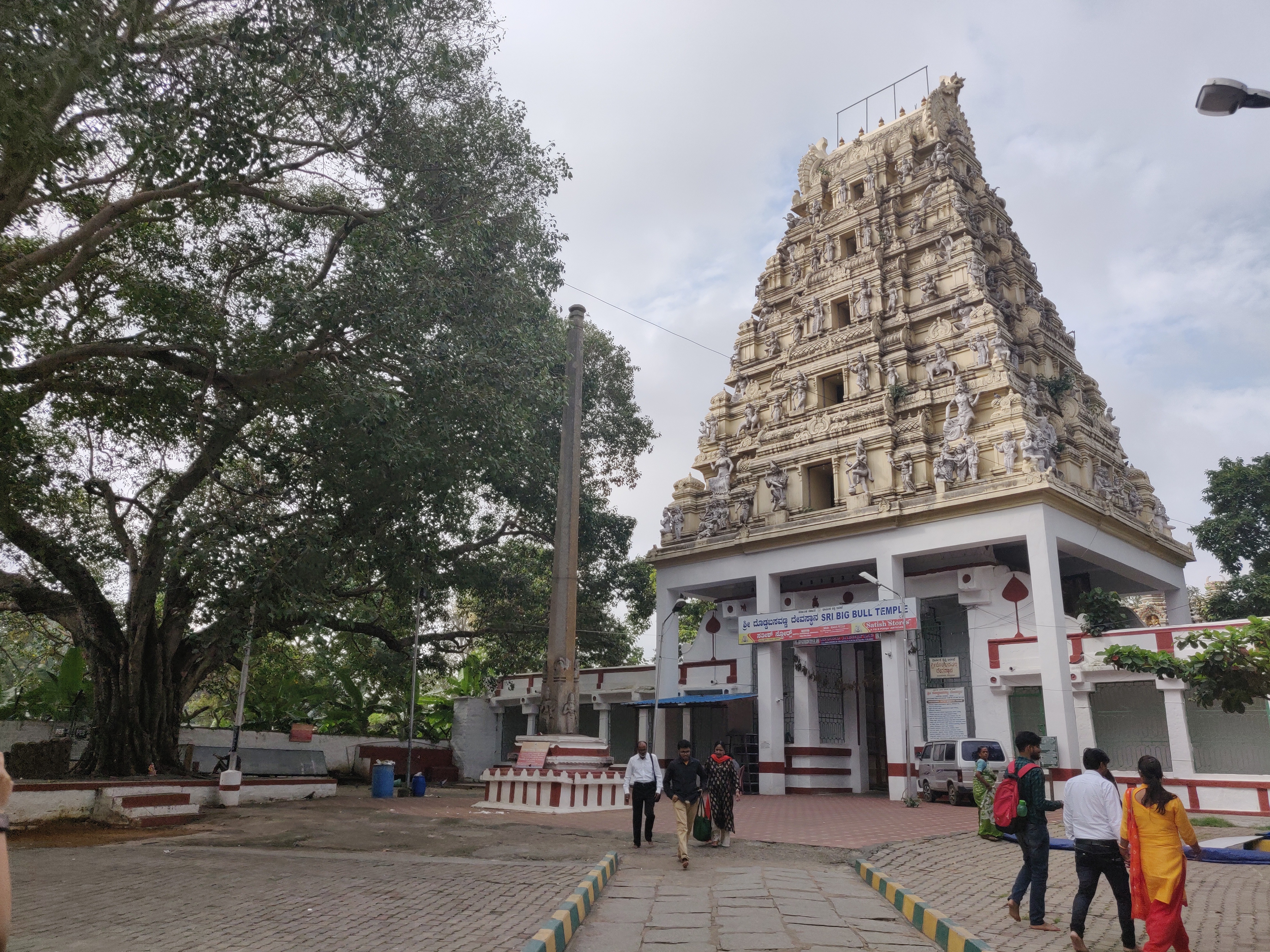

(Right: Via McKay Savage/Flickr )
Known to locals as “Dodda Basavana Gudi,” the 16th-century Dravidian-style Bull Temple is said to have been built by Kempegowda. It holds a massive monolithic statue of Nandi (the bull believed to be the vehicle of Lord Shiva) carved from a single granite rock. The idol is regularly adorned with oil, butter, and flowers. The temple is a significant religious and cultural site, drawing both locals and tourists.
Lalbagh Botanical Gardens
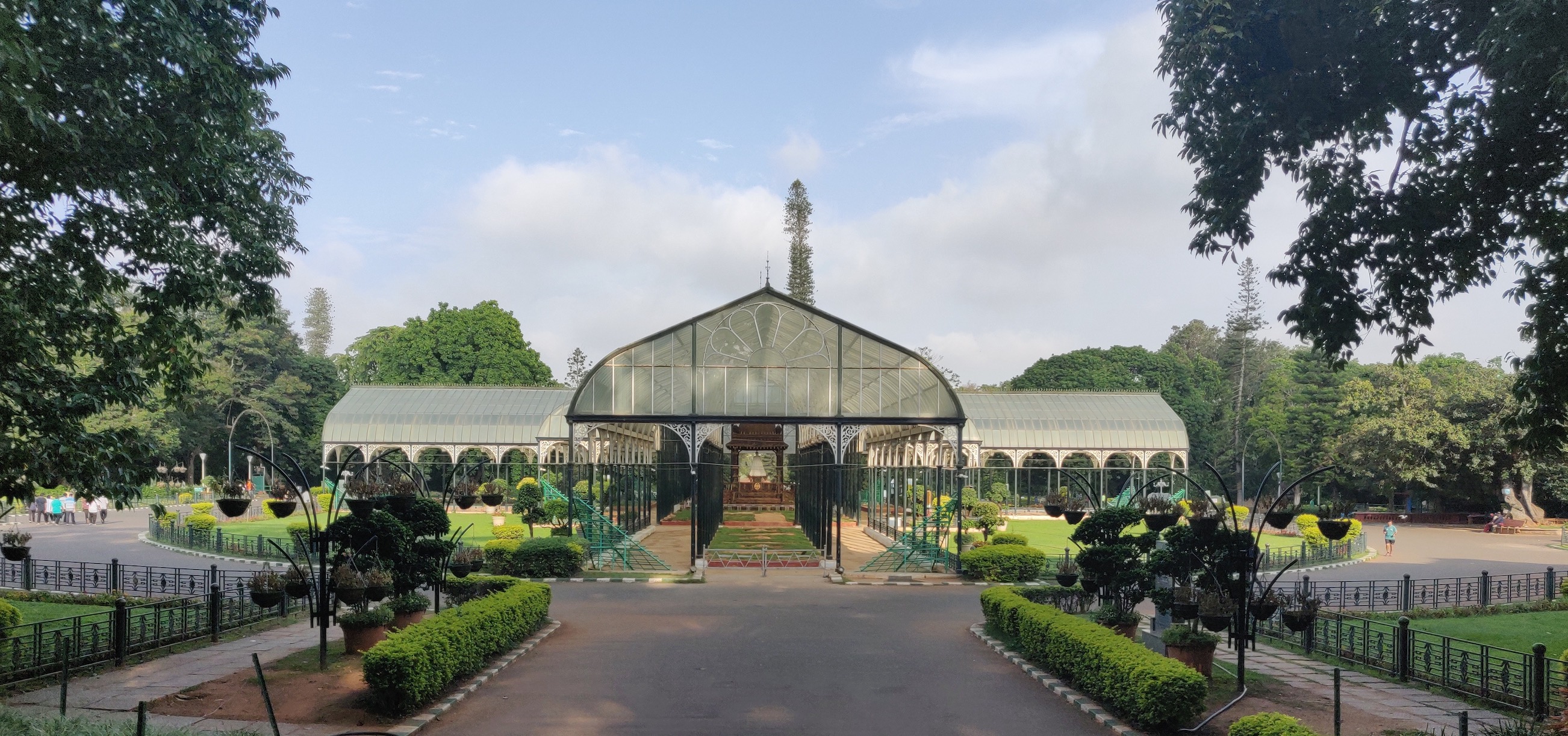
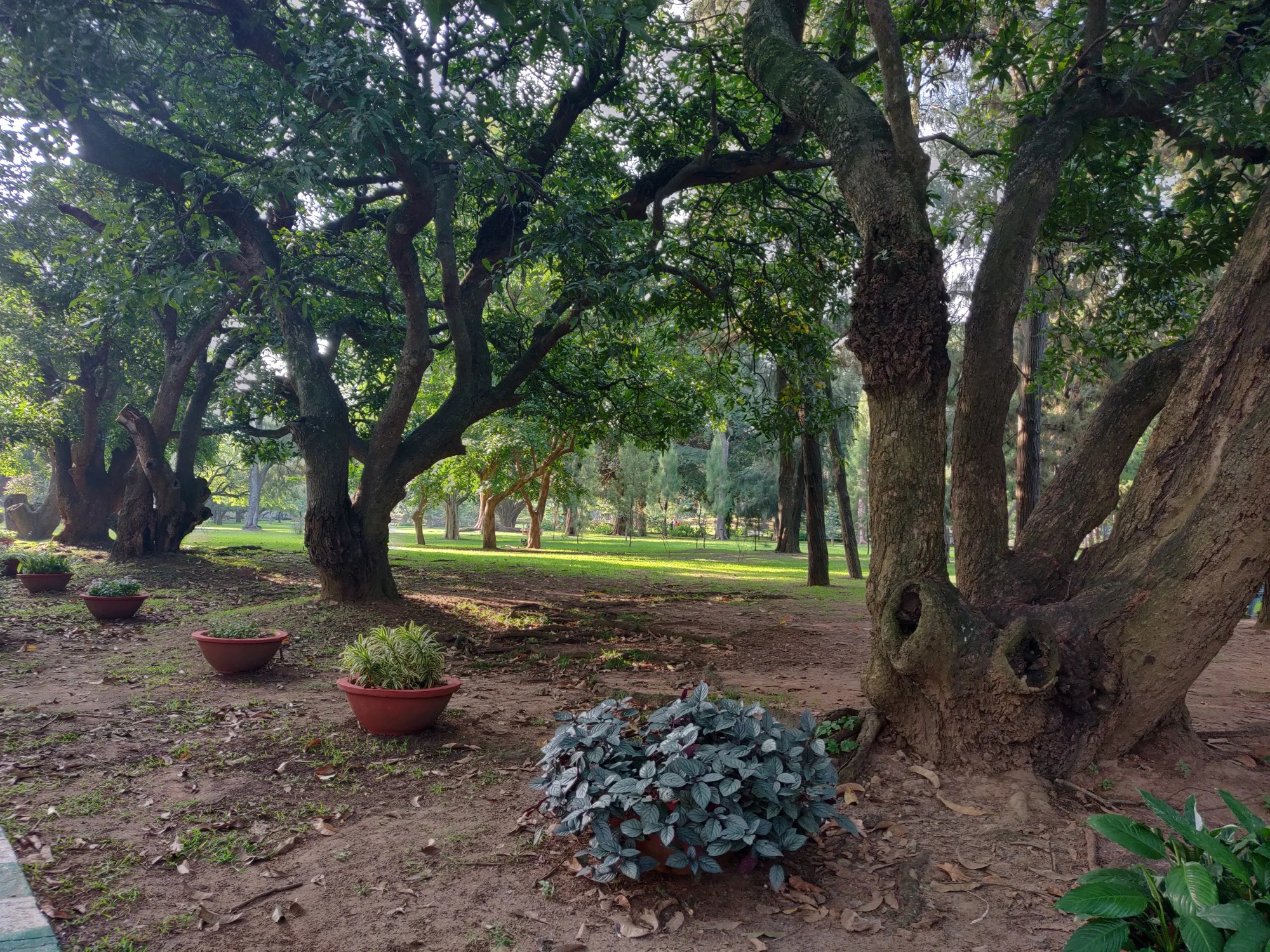
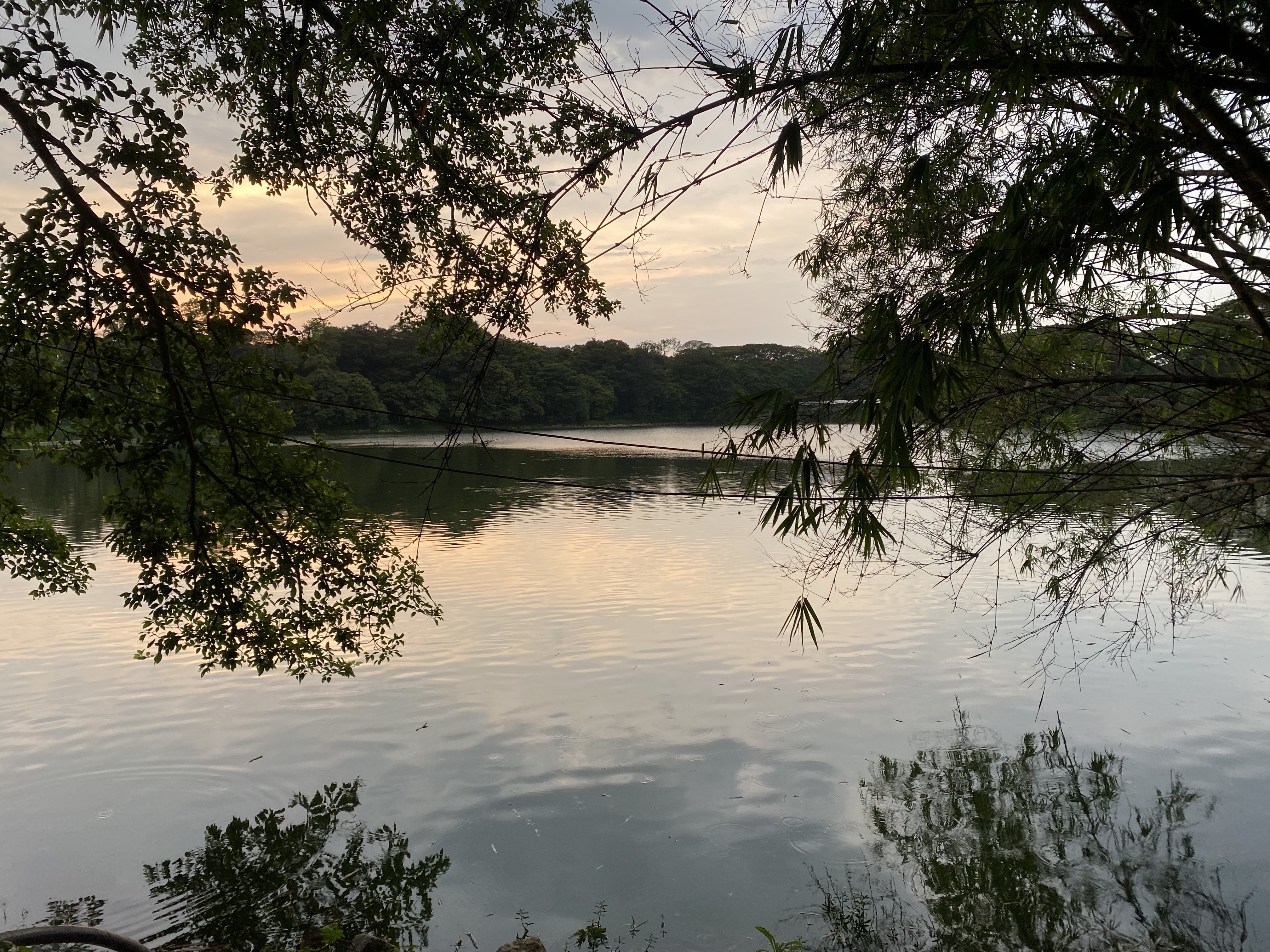
Spread over 96 hectares, the wonderfully landscaped Lalbagh Botanical Gardens are filled with amazing trees and over 1,800 species of plants from all around the world. It was commissioned in 1760 by the Mysorean ruler Hyder Ali.
Try to visit in the morning when you can see the many birds that live here. Don’t miss the famous Lalbagh Rock and the stunning views from the top.
Entrance Fee: ₹10
Bangalore Palace
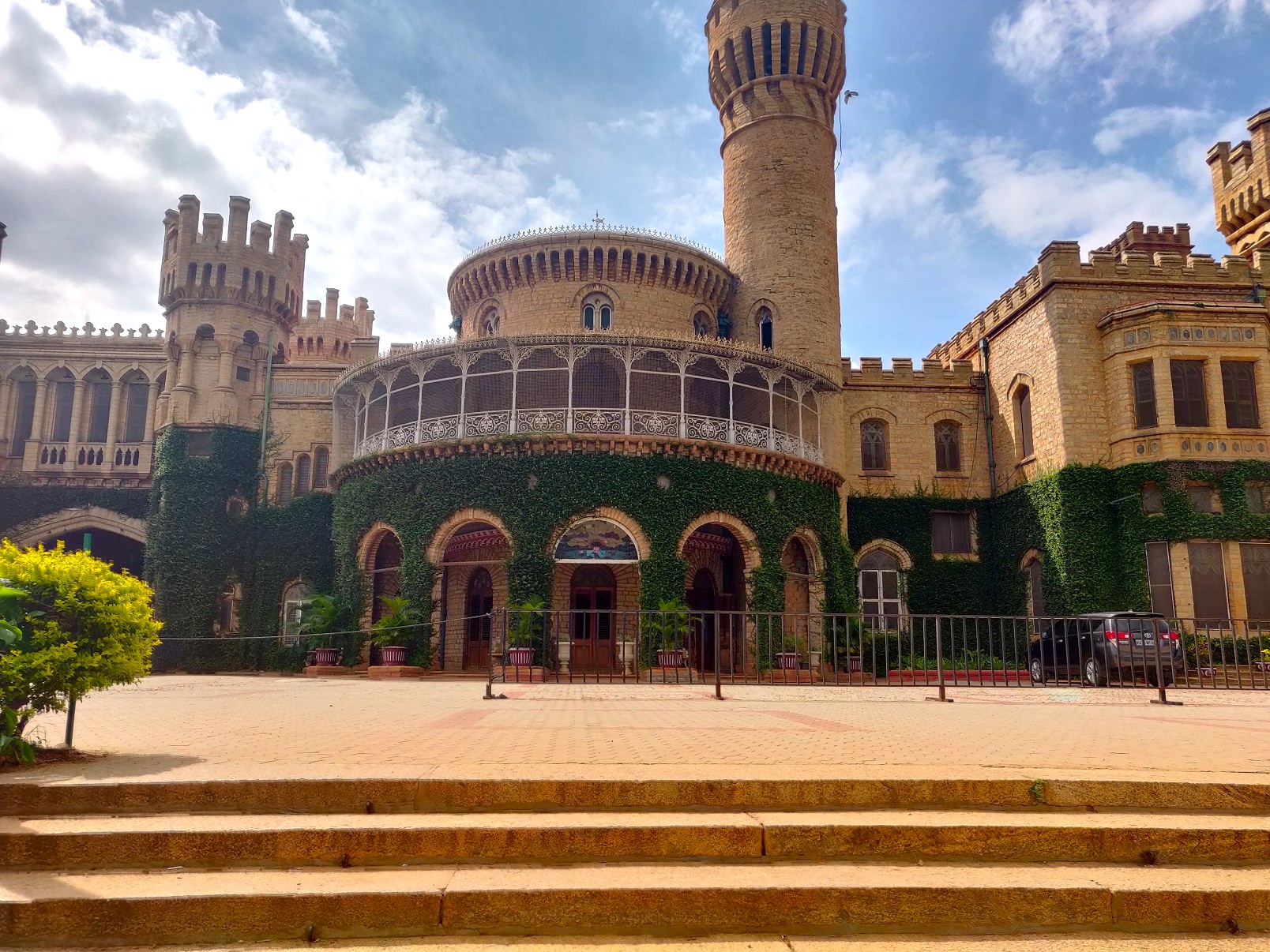
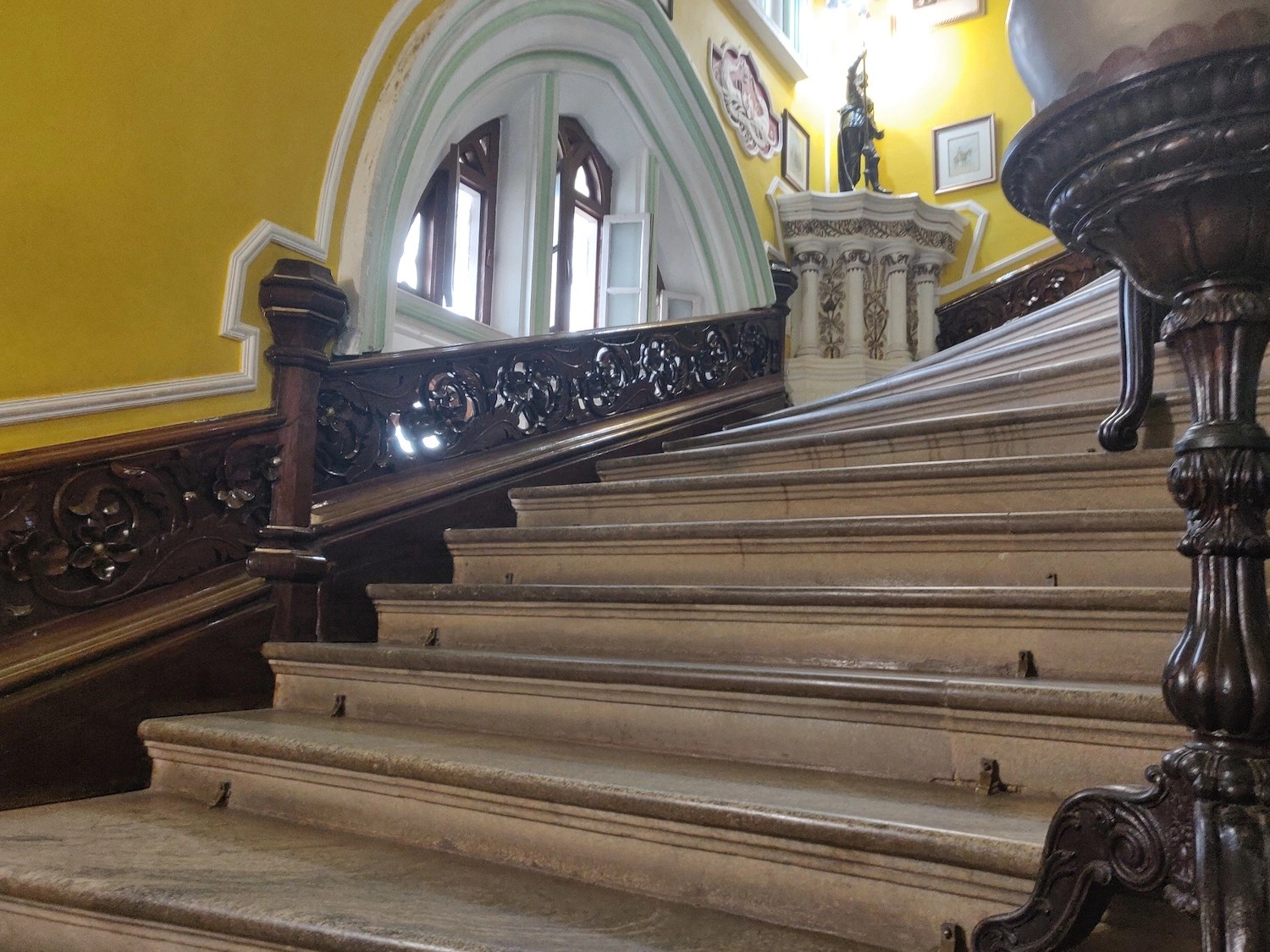
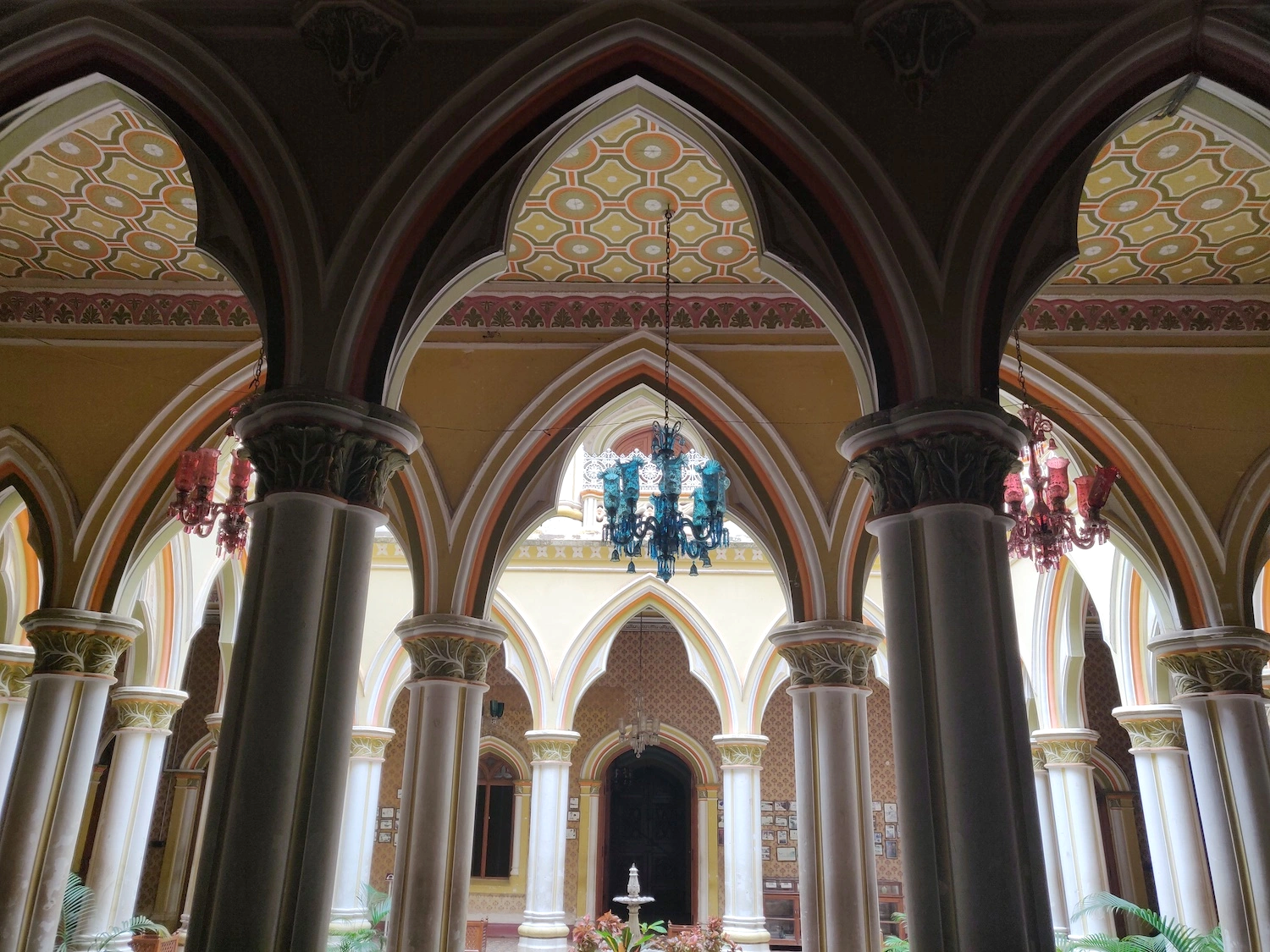
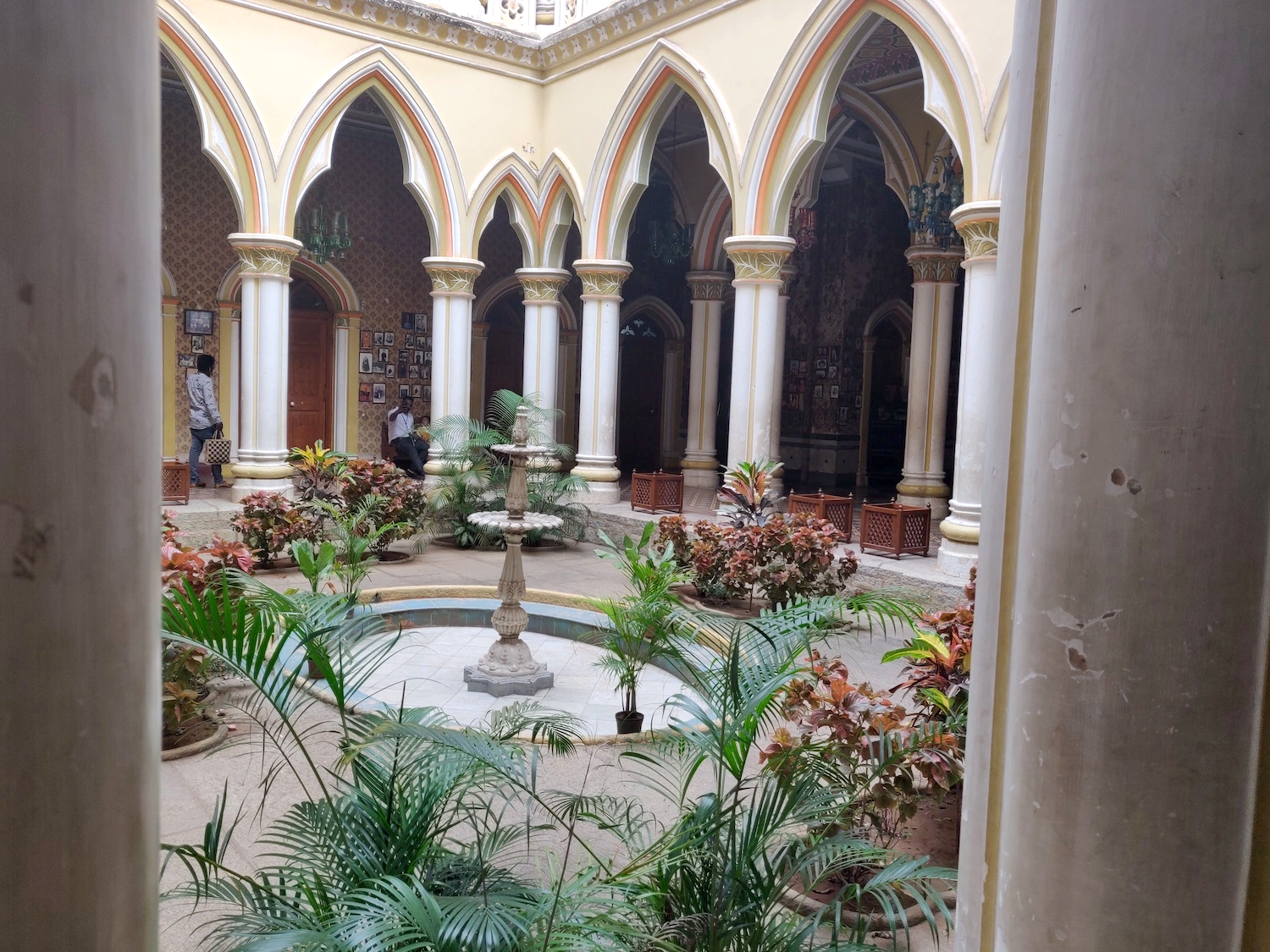
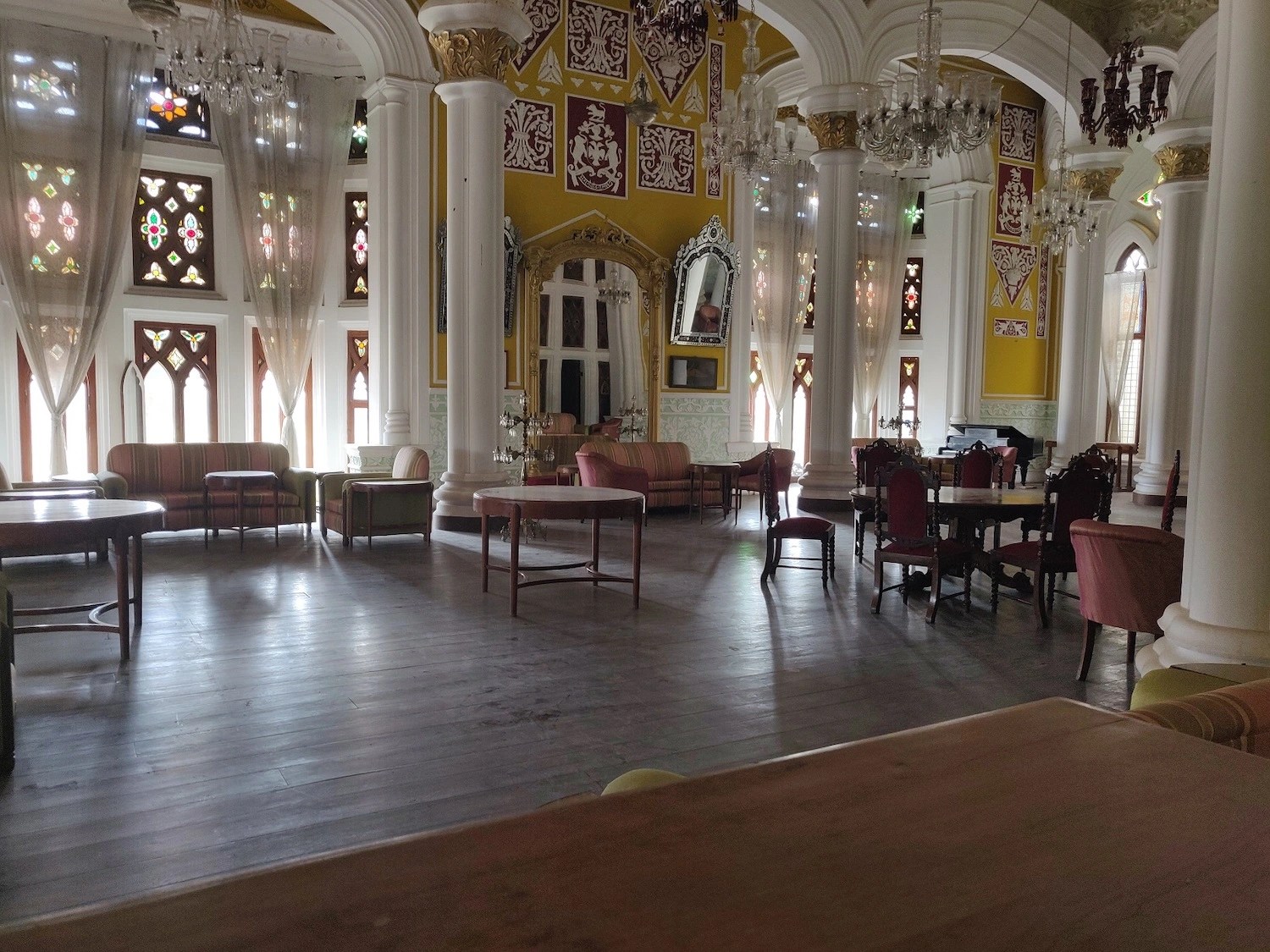
Inspired by Windsor Castle, the Bangalore Palace was built in 1878 by Chamarajendra Wodeyar. He was the then Maharaja of Mysore, who was then underage and under the guardianship of the British.
The palace showcases a splendid blend of Tudor and Scottish Gothic architectural styles. It features beautiful carvings both inside and outside, as well as paintings by the famous Raja Ravi Varma. Explore the lavish furniture, hunting memorabilia, and the ornate courtyards. You can even get an audio guide to better provide details of the palace.
St Mary’s Basilica
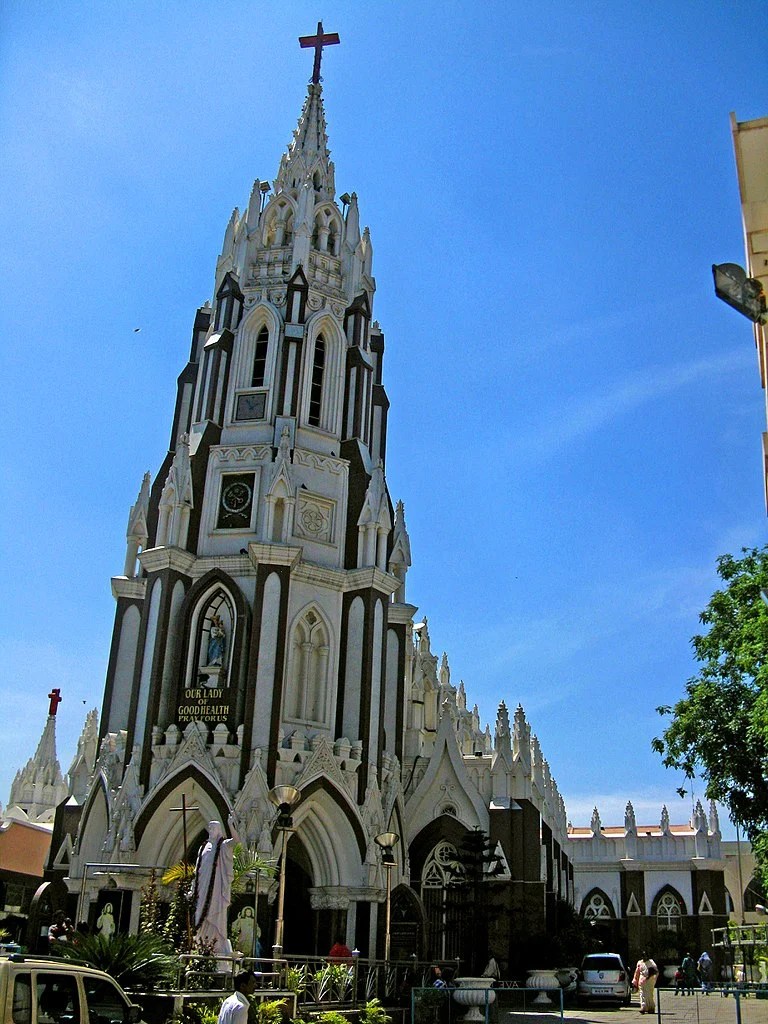
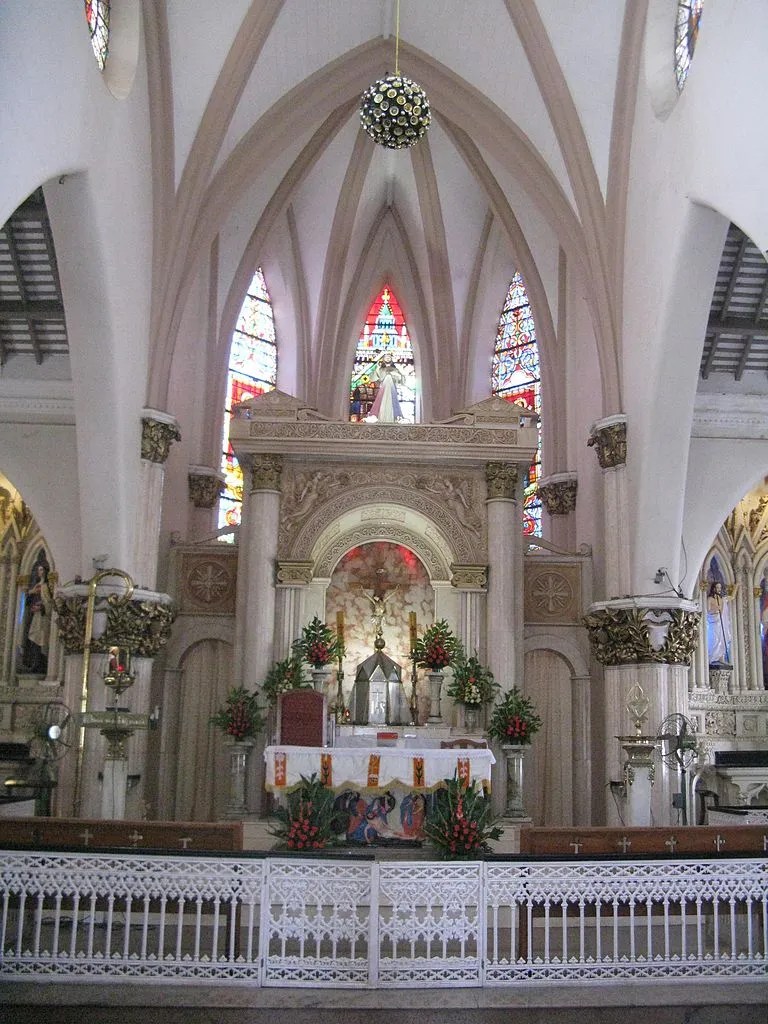
Via Johnchacks/WikimediaCommons / Via Johnchacks/WikimediaCommons
Constructed in 1818, St Mary’s Basilica is one of the oldest churches in Bangalore. It is known for its Gothic-style architecture, stunning stained glass windows, and serene ambience.
However, this church had humble beginnings, as it was originally just a thatched hut built in the 17th century, built by Tamil Christian migrants. In 1803, the French priest Jean-Antoine Dubois arrived at Bangalore and built a small chapel called Kaanike Mathe Devalaya, which in Kannada means “the Church of Our Lady of the Presentation”. When Bangalore Cantonment was established in the 1810s, the church was expanded. The current Gothic-style church is credited to Rev. L. E. Kleiner and was built between 1856–1882.
People gather here each year for the annual St Mary’s Feast in September to celebrate the birth of Mother Mary.
St Mark’s Cathedral
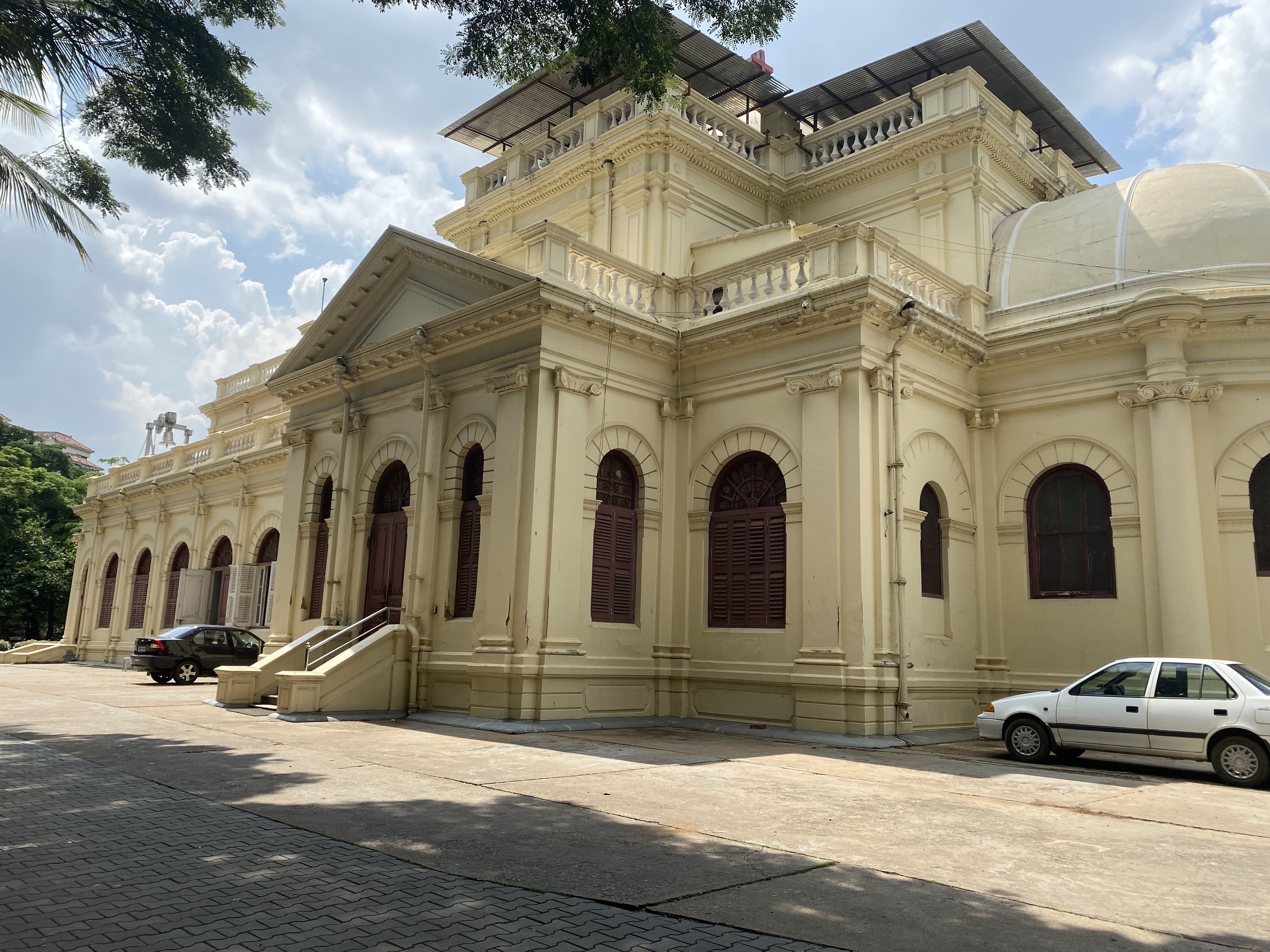
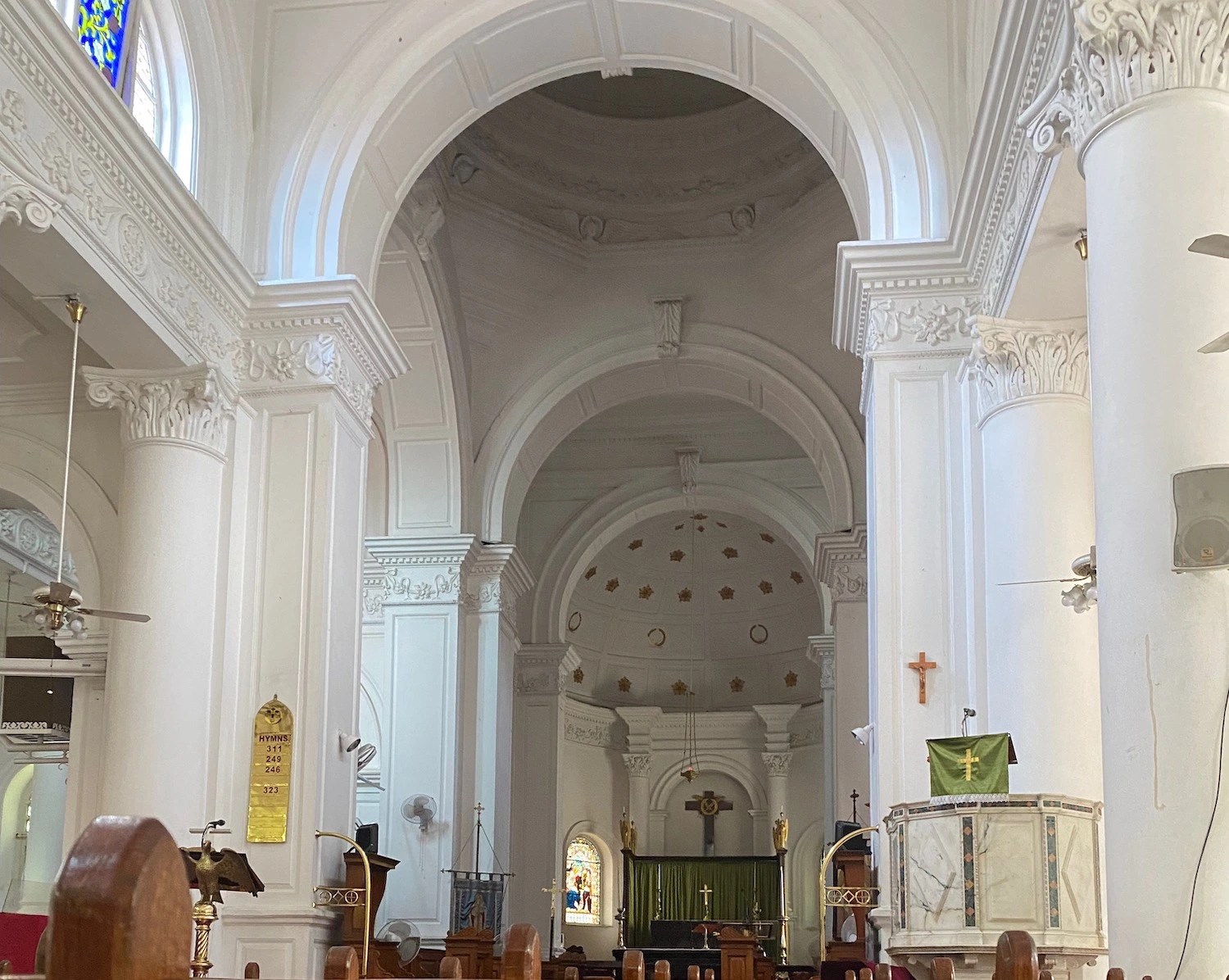
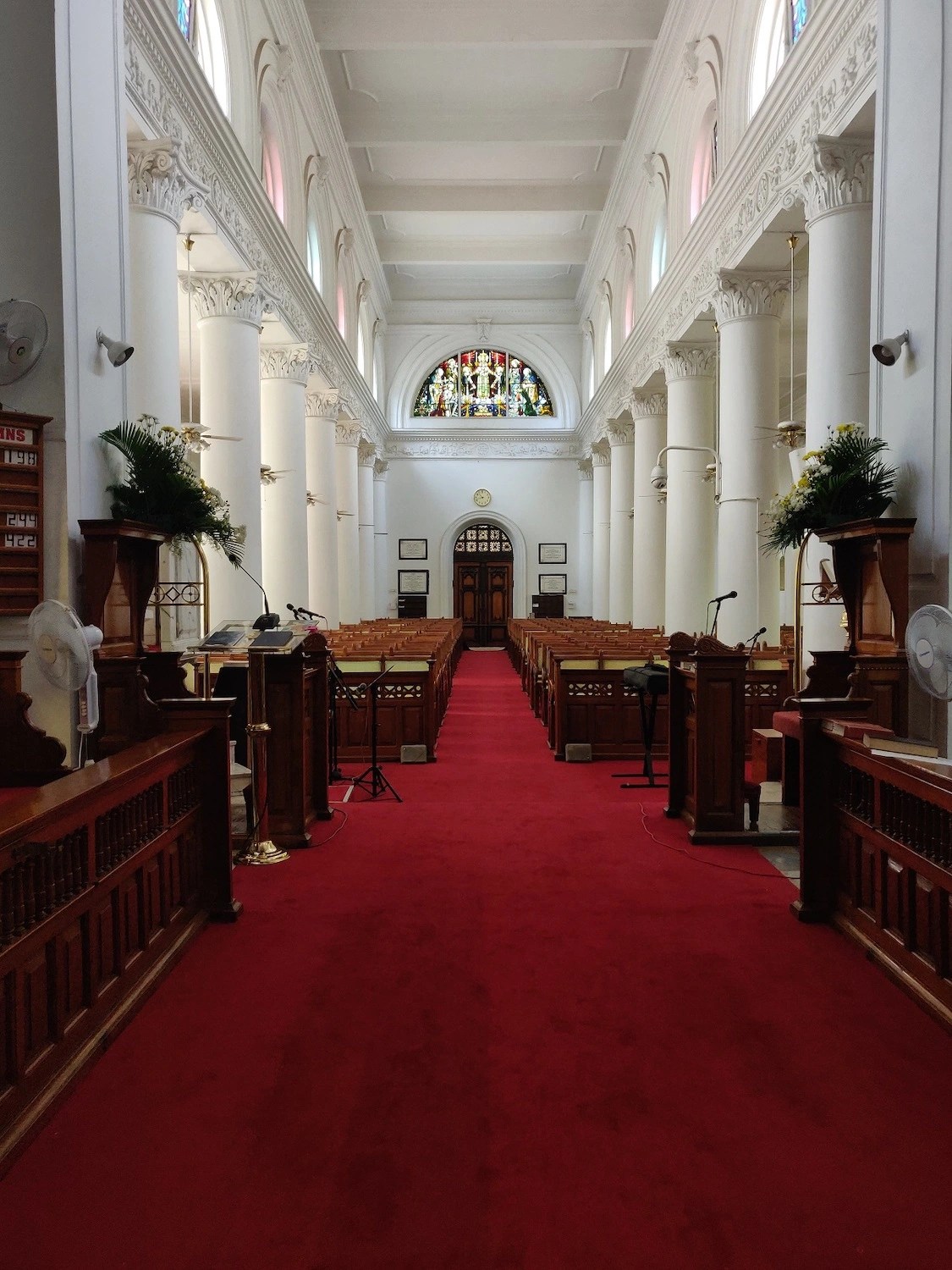
At the start of MG Road lies the atmospheric St Mark’s Cathedral. Inspired by St Paul’s Cathedral in London, this magnificent church is dedicated to St Mark the Evangelist and was founded in 1808 (and consecrated in 1816). However, the church was ravaged by a fire in 1923 and restored between 1926 and 1927.
You can see the wonderful domed ceilings and the stunning stained glass windows as well as the cathedral’s famous pipe organ. St Mark’s Cathedral also offers a cool and quiet refuge from the heat and from the bustling roads around it. While you can enter the cathedral and explore it for free, just remember that pictures aren’t allowed inside.
 Bengaluru Walks

